

 See My Latest Article on HelloNation
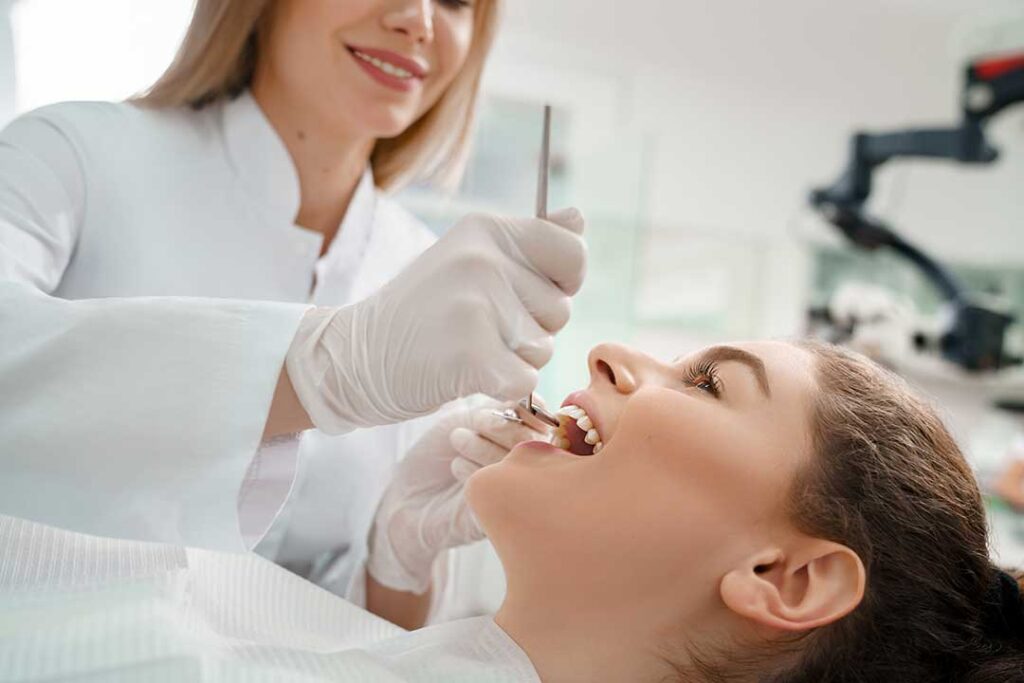
How Does Smoking Change Oral Health?
Smoking affects nearly every part of the mouth. It reduces blood flow to the gums and decreases the body’s natural ability to fight infection. This means bacteria have an easier time causing problems, and the mouth cannot heal as easily as it should. Even people who brush and floss regularly may notice more dental and gum issues if they smoke.
What Problems Start to Show Up with Teeth and Gums?
Smoking leads to a range of visible and hidden problems:
- Stains form quickly on teeth, turning them yellow or brown due to tar and nicotine.
- Bad breath becomes hard to manage, even with diligent oral hygiene.
- Gums recede more rapidly, and tissues inside the mouth may become thickened or patchy.
- Small irritations or sores may go unnoticed and can develop into more serious conditions.
In areas like Moses Lake, where water can have different mineral levels, smokers may notice stains even more if minerals build up alongside tobacco residue. Dry climate conditions can also worsen dry mouth, making these effects stronger.
Can Smoking Really Cause Gum Disease?
Yes—smoking is a major risk factor for gum disease (periodontitis). This is because smoking restricts blood flow to the gums, making it difficult for the body to fight infection and repair damage. Gums may bleed less in smokers, which can actually hide the early warning signs. While it might look like the gums are healthy, infection can progress quietly under the surface. This is especially true for area households where regular dental care may be less frequent.
Gum disease progresses faster and is harder to treat in smokers. Over time, this can lead to tooth loss, persistent mouth pain, and even changes in the way teeth fit together.
How Does Smoking Affect Dental Treatments and Healing?
The body’s healing process is significantly slowed by smoking. After a tooth extraction, implant, or other oral surgery, recovery can take longer and problems are more likely. The risk of infection is higher, and sometimes treatments don’t work as expected because new gum and bone tissue can’t develop properly.
In cold winter months, some residents may notice mouth sores or delayed healing even more, as smoking combined with dry indoor air can make tissues extra sensitive and slow to recover.
Does Smoking Increase the Risk for Oral Cancer?
Smoking—including cigarettes, cigars, and chewing tobacco—greatly increases the risk of developing oral cancers. Regular smoking damages the delicate cells lining the mouth and throat. Even for those who smoke only occasionally or socially, there’s a much higher risk of cancer compared to non-smokers.
Anyone who notices persistent sores, lumps, or changes in the mouth that don’t heal within two weeks should see a medical professional, regardless of their smoking history.
Can Switching to Vaping or Smokeless Tobacco Help?
Many local residents wonder if switching from cigarettes to electronic cigarettes (vapes) or smokeless tobacco is safer for their mouth. While vaping eliminates smoke, it’s not risk-free: e-liquids can still contain nicotine and other chemicals that irritate the gums and soft tissue. Smokeless tobacco, such as chewing tobacco, still causes gum recession, cancer risk, and stubborn staining.
No form of tobacco or nicotine is completely safe for the mouth. The risks may look different, but they still exist.
What Are Some Everyday Signs of Dental Trouble from Smoking?

Recognizing changes early helps prevent larger problems. Common signs include:
- Constant bad breath or a persistent unpleasant taste in the mouth
- Red, swollen, or bleeding gums, even if mild
- Unusual white or gray patches on cheek or tongue surfaces
- Increased tooth sensitivity or looseness
- Dark lines where teeth meet the gums
Anyone in the community who notices these symptoms, especially with a history of smoking, should pay special attention even between dental checkups.
Could Quitting Smoking Improve My Mouth Health?
Quitting has almost immediate benefits for mouth tissue. Blood flow improves, oxygen supplies rise, and the gums can begin to heal. Over time, the risk of gum disease and oral cancer drops significantly, though it may not return to the level of someone who has never smoked. Any reduction in tobacco use—no matter how gradual—helps the mouth improve its defenses against bacteria and other irritants.
In the high-desert climate of the city, quitting can also reduce the discomfort of dry mouth and make everyday activities like eating and speaking more comfortable.
What Else Should Local Residents Know?
Smoking’s effects go beyond what can be seen in the mirror. In Moses Lake, where local diets can be influenced by agricultural conditions and dental care access varies, even social or casual smokers can experience problems over time. It’s easy to overlook subtle changes, so paying close attention to the mouth’s health is a smart step for anyone using tobacco.
Dentists and hygienists in the area will notice signs of smoking during regular exams, but day-to-day habits—like avoiding dry mouth and keeping up with gentle oral care—make a difference.