

 See My Latest Article on HelloNation
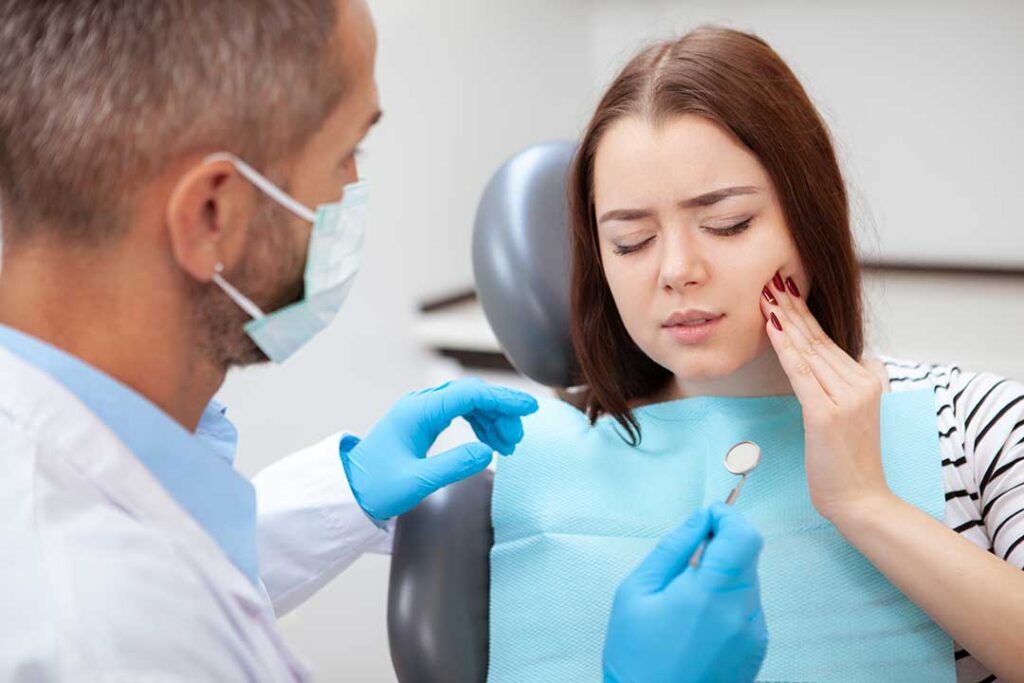
What Is Tooth Sensitivity and Why Does It Happen?
Tooth sensitivity is a common dental concern where certain foods, drinks, or temperatures cause discomfort or sharp pain in the teeth. This happens when the protective layers of the teeth—enamel or cementum—are worn down or when gums recede, exposing the underlying dentin that connects to your tooth's nerves.
Dentin has tiny channels leading to the nerves inside the tooth. When exposed, triggers like cold water or sweet foods reach the nerves more easily, causing the familiar zinging sensation. This issue can affect anyone, but residents often notice flare-ups during seasonal changes, such as winter’s cold winds or summer’s icy drinks.
What Causes Tooth Sensitivity in Moses Lake Households?
The causes of tooth sensitivity are similar across different locations, but some local habits and environmental factors can play a role for people living in Moses Lake.
- Brushing with excessive force: Using a hard-bristle toothbrush or vigorous motions can wear down enamel, leading to sensitivity.
- Acidic foods and drinks: Regular consumption of citrus fruits, sodas, or energy drinks can erode enamel.
- Teeth grinding: Seasonal stress, common during local events or increased workloads, can contribute to gradual enamel wear.
- Gum recession: Natural aging or aggressive brushing can expose root surfaces.
- Dry mouth: The arid regional climate or certain medications can reduce saliva, which helps protect teeth from acids.
- Whitening treatments: Over-the-counter bleaching products or frequent use of whitening toothpaste can increase sensitivity.
- Untreated dental issues: Cavities, cracked teeth, or old fillings can make one or more teeth more sensitive to temperature changes.
How Do Local Climate and Lifestyle Affect Tooth Sensitivity?
Residents may notice heightened sensitivity during the cold, dry months. When temperatures fall, breathing through the mouth outside can cause cold air to contact teeth more often, triggering pain. A dry local climate may also mean more people experience dry mouth, which further increases the risk for enamel breakdown and sensitivity.
Popular summertime activities, such as drinking iced beverages after being in the sun, can also result in sudden discomfort for those with exposed dentin.
What Everyday Foods and Drinks Can Make Sensitive Teeth Worse?
Certain foods and drinks are more likely to spark pain if you have sensitivity. Examples include:
- Iced beverages and ice cream, especially after being outdoors on hot days
- Acidic fruits like oranges and lemons
- Vinegar-based dressings
- Sports drinks and sodas
- Hot soups or coffee during colder seasons
Spacing out consumption and rinsing with water afterward can sometimes reduce their immediate impact.
Are Home Remedies Effective for Sensitive Teeth?
Some practical steps at home can help reduce discomfort:
- Use toothpaste formulated for sensitive teeth. These products contain agents that block nerve signals.
- Switch to a soft-bristled toothbrush and avoid brushing with excessive force.
- Limit acidic and sugary foods. Drink water after snacks or meals to help wash away acids.
- Wait at least 30 minutes before brushing after consuming something acidic to avoid additional enamel wear.
- Maintain regular oral hygiene routines and consider using fluoride mouth rinses available at local stores.
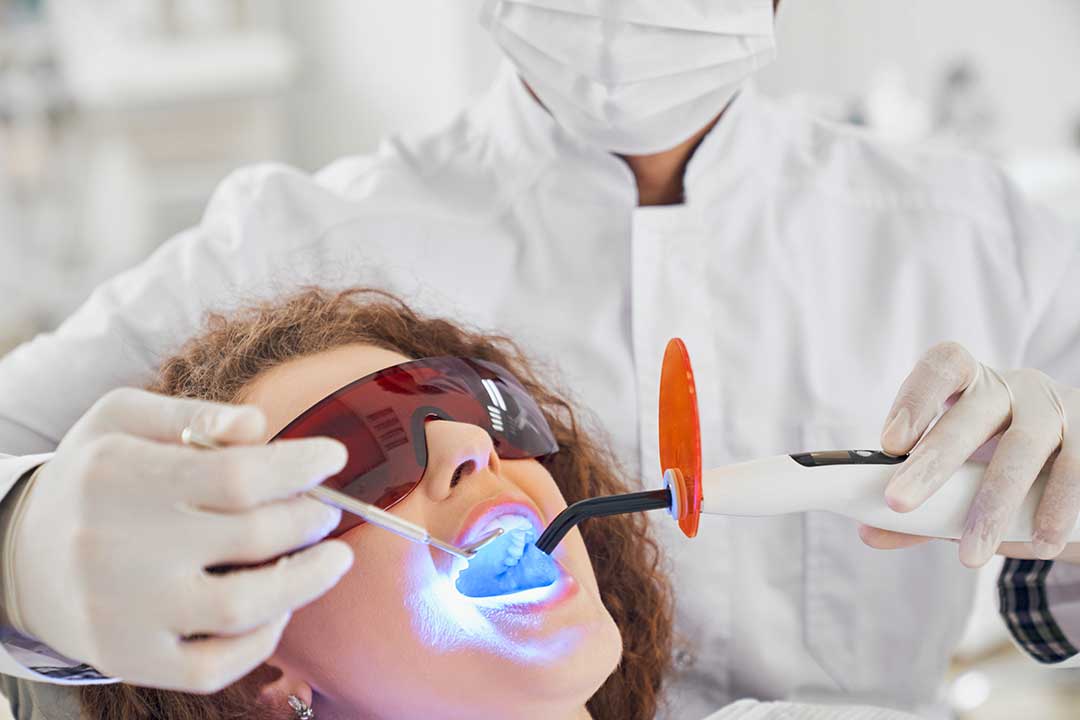
For those who grind their teeth at night, a mouthguard may help. Such devices are available over the counter for home use.
When Does Tooth Sensitivity Need Professional Care?
Most occasional sensitivity can be managed with gentle oral care and mindful eating. However, certain warning signs should not be ignored:
- Sensitivity focused on one tooth or area, especially if sudden or severe
- Sensitivity that lasts for days or weeks
- Pain that interferes with sleep or daily activities
- Swelling, redness, or visible damage to a tooth
These symptoms can indicate issues like cavities, cracked teeth, or infection that do not improve with home remedies. While many cases can be managed at home, certain scenarios—especially those involving infection or trauma—require prompt evaluation for health and safety reasons.
What Are Common Misconceptions About Tooth Sensitivity?
Many area residents believe sensitive teeth “just happen with age” or are “genetic and can’t be changed.” While family history can play a role, daily habits and local conditions strongly influence the development and severity of this condition. Another frequent misconception is that whitening treatments are always safe for everyone; in reality, these products are a leading source of temporary discomfort, especially for those with already thin enamel.
What Are Some Practical Everyday Tips?
Area households can reduce the risk or severity of tooth sensitivity by:
- Brushing gently, two times daily, with a toothpaste designed for sensitivity
- Flossing once daily to keep gums healthy and prevent recession
- Drinking plenty of water, which helps neutralize acids and cleanses the mouth naturally
- Wearing a scarf over your mouth during winter walks to protect teeth from frigid air
- Reading labels and moderating intake of strongly acidic foods and drinks
If travel takes you out of the area, consider carrying your own dental care supplies since sudden changes in diet or routine can trigger symptoms.