

 See My Latest Article on HelloNation
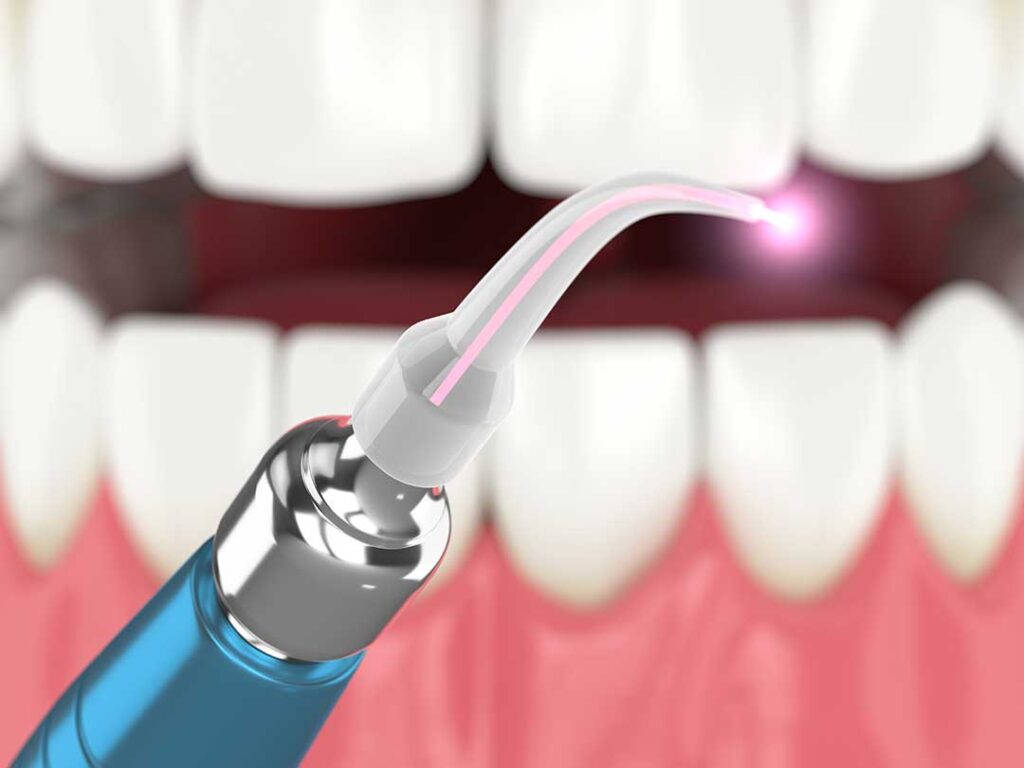
What Should You Do First If You Chip or Break a Tooth?
If you chip or break a tooth in Moses Lake, WA, start by staying calm and assessing the injury. Minor chips and major breaks can both feel upsetting, but a careful first response can make a difference in how your tooth heals.
Small chips or minor fractures often present as rough edges or slight loss of shape and function. Major breaks can expose the inside of the tooth or cause pain and bleeding. In either case, gentle handling is best:
- Rinse your mouth gently with lukewarm water to remove debris and lower infection risk.
- If there is bleeding, press gently with clean gauze or a damp cloth until it slows down.
- Avoid touching or wiggling any broken piece still attached to your gum.
Can You Eat or Drink After Chipping a Tooth?
Eating and drinking after a dental injury depends on the tooth’s condition and pain level. Avoid chewing with the damaged area, especially if there’s sharp pain, large cracks, or visible pulp (inner tissue).
If you need to eat before you can seek care:
- Choose soft, non-sticky foods like yogurt, bananas, or applesauce.
- Avoid biting into foods directly; cut them into small pieces.
- Do not consume very hot, cold, or sugary foods, since exposed dentin or nerves may react strongly.
What If You Find a Broken Piece?
If part of your tooth breaks off and you can find it, save the fragment in a clean container. Ideally, place it in milk or saline (a homemade saltwater solution works in a pinch) to help preserve it for possible reattachment. Avoid scrubbing or using soap on the tooth fragment.
While it’s a common belief that broken pieces never help, sometimes dentists can bond them back if the fragment is in good condition, which can be especially relevant for larger structural breaks.
Does It Always Hurt When a Tooth Chips or Breaks?
Not every chipped tooth causes pain. Minor chips might only feel rough or look uneven. Discomfort usually happens when the fracture exposes sensitive tissue inside the tooth.
If pain is present, local residents often describe it as:
- Sharp, sudden sensitivity to temperature changes
- Aching in the gum nearby
- Pain when biting down or pressure touches the area
Even if there’s no pain, an untreated chip can develop sharp edges that irritate the tongue and cheeks, or become worse if the crack extends.
How Should You Protect the Tooth Until You Can Seek Help?
Protection is especially important for Moses Lake residents who enjoy outdoor activities, winter sports, or farm work, where further bumps or jostling are more likely.
Try these immediate steps:
- Use dental wax or a piece of sugar-free chewing gum to cover sharp edges, reducing injury to your lips or cheek.
- Avoid activities that could lead to another impact, such as sports or heavy lifting, until the tooth is addressed.
- If swelling or pain develops, apply a cold pack to the outside of the cheek for short intervals.
Are Chipped or Broken Teeth an Emergency?
Most chipped teeth are not immediately life-threatening, but large breaks, severe pain, heavy bleeding, or signs of infection do need fast attention.
Situations where quick action is recommended:
- A tooth is knocked out completely (avulsed)
- The tooth root is exposed or the inside of the tooth looks red or bleeding
- Significant soft tissue injury (to tongue, gums, or cheek) that will not stop bleeding
- Signs of infection, including spreading swelling, fever, or pus
In Moses Lake, local medical clinics and emergency rooms can help if you have uncontrolled bleeding or significant mouth trauma.
How Can Residents Reduce Risk of Tooth Damage?
Some chipped and broken teeth result from unavoidable accidents, but daily habits play a role too. In the city’s windy seasons or during winter, sudden slips and falls are common causes.
Practical prevention includes:
- Wearing protective gear (like mouthguards) during sports or outdoor activities
- Avoiding chewing hard objects—ice, pens, or the ends of glasses are common culprits
- Using scissors instead of teeth to open packages
- Addressing teeth grinding (bruxism) if you wake up with sore jaws or notice unusual tooth wear
Young children are especially prone to minor chips from playground tumbles, and elder residents may experience breaks if existing dental work is worn out.
What Are the Common Misconceptions About Chipped or Broken Teeth?
Some area residents mistakenly believe a painless chip can be ignored, but untreated breaks, even minor, can lead to bigger dental issues. Another misconception is that all chips require a crown; often, small chips are simply smoothed or filled.
Waiting too long to manage a broken tooth increases the chance of infection, sensitivity, and more extensive treatments later on.
How Do Local Lifestyle and Climate Play a Role?
Moses Lake weather and community lifestyle contribute to tooth injuries in subtle ways. Sand and gravel surfaces around homes, playgrounds, and construction sites raise the likelihood of accidental falls. Sudden cold snaps can make teeth more brittle, especially if existing fillings or dental work have small cracks or leaks.
Outdoor swimming, boating, and recreation in the region add another layer of risk, with slips around docks or pool decks causing facial injuries.
Awareness of these factors can help residents take precautions suited to regular activities in the area.