

 See My Latest Article on HelloNation
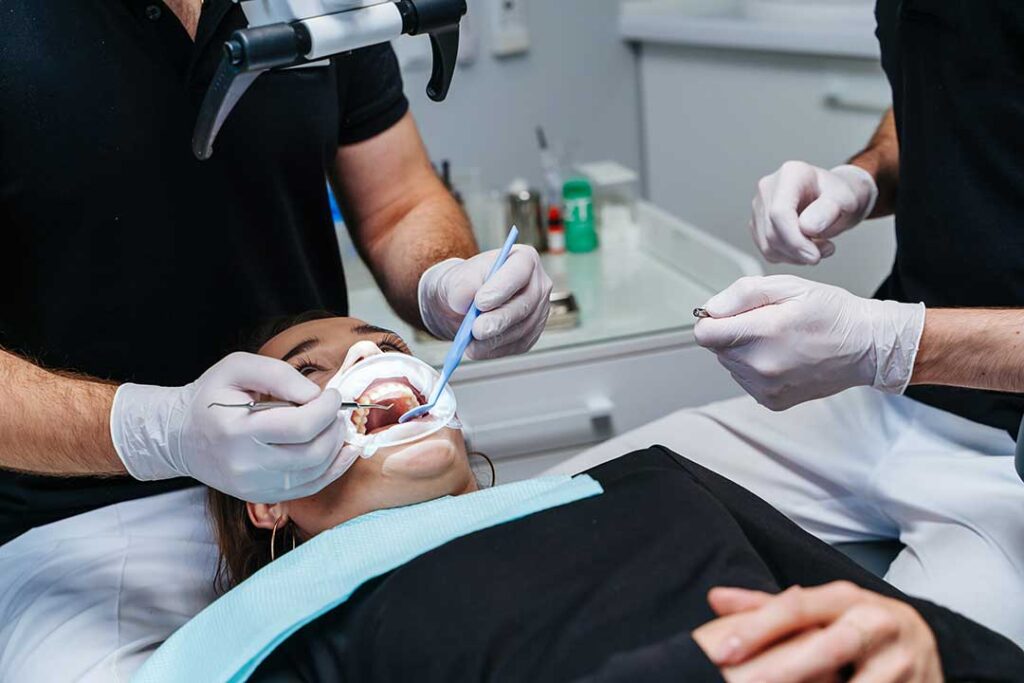
Dental sealants are thin protective coatings placed in the grooves of back teeth, where toothbrush bristles may not reach easily. They help block food particles and cavity-causing bacteria from settling into those deep pits and fissures.
For children and teenagers, sealants are often recommended soon after permanent molars erupt. Adults may also benefit when back teeth have deep grooves, a history of cavities, or other factors that increase the likelihood of tooth decay.
What exactly is a dental sealant?
A dental sealant is a material applied to the chewing surface of a molar or premolar. It flows into the tooth’s natural grooves and hardens, creating a smoother surface that is easier to keep clean.
Sealants are preventive—not fillings. A filling repairs a tooth after decay has damaged it. A sealant is generally used on a tooth that is healthy or has an early, noncavitated area that can be safely sealed and monitored.
The material may be resin-based, glass ionomer, or another dental material. Current evidence supports more than one type, and the appropriate choice depends on the tooth, moisture control, and the individual’s oral-health needs. ([ada.org](https://www.ada.org/resources/ada-library/oral-health-topics/dental-sealants?utm_source=openai))
Why are back teeth more likely to need protection?
Molars have uneven chewing surfaces designed to grind food. Their grooves can be narrow, deep, or branched. Plaque and small food particles may collect in these areas even when someone brushes regularly.
This is especially relevant when a child is still developing brushing skills. A toothbrush may clean the broad surfaces of a tooth while missing the deepest parts of the grooves. Sealants add a physical barrier in those areas.
Sealants do not replace brushing with fluoride toothpaste, cleaning between teeth, regular dental examinations, or attention to sugary drinks and snacks. They address one common location where cavities begin.
Who usually benefits from sealants?
Children and adolescents are the most common candidates, particularly when permanent molars have recently erupted. The first permanent molars usually appear around age 6, and the second permanent molars generally appear around age 12. Applying sealants soon after these teeth come in can protect them during years when cavity risk may be higher. ([cdc.gov](https://cdc.gov/oral-health/prevention/about-dental-sealants.html?utm_source=openai))
A child may be more likely to benefit when:
- The molars have deep or irregular grooves.
- The child has had cavities before.
- Brushing is inconsistent or difficult to supervise.
- The family’s access to routine preventive dental care is limited.
- The child frequently consumes sweetened drinks or snacks.
- Dry mouth, orthodontic appliances, enamel problems, or certain medications increase cavity risk.
Adults are not automatically excluded. Sealants may be considered for an adult whose molars have deep fissures, whose previous sealants have worn away, or who has a pattern of decay on chewing surfaces. The decision depends on the condition of the tooth rather than age alone.
Baby teeth can sometimes receive sealants as well, especially when primary molars have unusually deep grooves or are at elevated risk for decay. Protecting primary teeth can help with eating, comfort, speaking, and maintaining space until permanent teeth are ready to erupt.
How are sealants placed?
The process is usually brief and does not require drilling when the tooth is suitable for preventive sealing.
A dental team generally:
1. Cleans the tooth to remove plaque and debris.
2. Keeps the tooth dry so the material can bond properly.
3. Applies a conditioning solution to prepare the enamel.
4. Places the liquid sealant into the grooves.
5. Hardens the material with a curing light or allows it to set, depending on the product.
A properly placed sealant should not significantly change how the teeth fit together. A child can normally eat and drink as usual afterward. The tooth still needs regular brushing because sealants cover only selected surfaces, not the entire tooth. ([cdc.gov](https://cdc.gov/oral-health/prevention/about-dental-sealants.html?utm_source=openai))
How effective are dental sealants?
Sealants can substantially reduce the risk of cavities on the chewing surfaces of molars. The CDC reports that sealants can prevent up to 80% of cavities for two years and continue protecting against about 50% of cavities for up to four years when applied at appropriate times. Protection may last longer, but sealants need to be checked because they can chip, wear, or partially come loose. ([cdc.gov](https://cdc.gov/oral-health/prevention/about-dental-sealants.html?utm_source=openai))
Research-based guidance from the American Dental Association and the American Academy of Pediatric Dentistry also indicates that sealants can prevent cavities and may slow the progression of early, noncavitated lesions on sealed molars. This does not mean every suspicious spot should simply be covered; the tooth must first be evaluated to determine whether sealing is appropriate. ([ada.org](https://www.ada.org/resources/ada-library/oral-health-topics/dental-sealants?utm_source=openai))
Do sealants need to be replaced?
Not automatically. During routine examinations, the sealant can be checked for wear, gaps, or areas where it has been lost. A small repair or replacement may be considered if the tooth’s grooves are exposed again.
A sealant that is partly missing does not necessarily mean the tooth has been harmed. It means the protective coverage should be reassessed. Cavities can still form around or between sealed areas, so ongoing examination remains necessary.
For families in Moses Lake, seasonal routines may affect consistency. School schedules, sports, travel, and changes in household routines can make preventive care easier to postpone. Checking sealants during regular dental visits helps avoid relying on their protection longer than intended.
Are dental sealants safe?
Dental sealants have been used for decades and are widely recognized as a preventive option. Some resin materials may release very small amounts of related compounds shortly after placement, but the American Dental Association describes the potential exposure as extremely low and provides steps for dental teams to reduce unpolymerized material after curing. ([ada.org](https://www.ada.org/resources/ada-library/oral-health-topics/dental-sealants?utm_source=openai))
Parents or adults with specific concerns can ask what material is being used, why it is recommended, and how the tooth will be monitored afterward. Those questions are reasonable, especially when treatment involves a child, pregnancy, allergies, or a history of sensitivity to dental materials.
What sealants cannot do
Sealants are useful but limited. They do not:
- Protect the smooth sides of teeth from all cavities.
- Prevent decay between teeth.
- Repair a large cavity.
- Replace fluoride toothpaste or daily cleaning.
- Guarantee that a tooth will never need treatment.
- Eliminate the need for dental examinations.
The most practical approach is layered prevention: brush twice daily with fluoride toothpaste, clean between teeth, limit frequent sugar exposure, drink water regularly, and have teeth evaluated at intervals appropriate for the individual’s risk.
A simple question for a child’s next dental examination is whether the permanent molars have deep grooves, existing sealants, or early areas that should be monitored. For adults, the relevant question is whether the shape and history of the back teeth make sealing useful now.