

 See My Latest Article on HelloNation
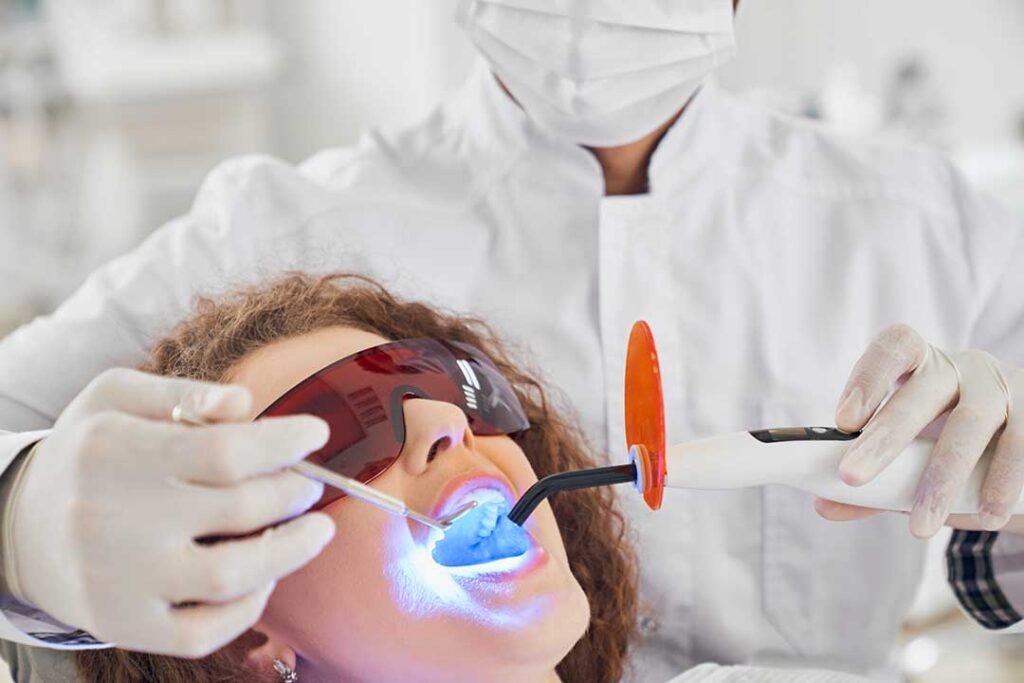
Oral health affects much more than teeth and breath. The mouth is connected to the digestive, immune, circulatory, and respiratory systems, so problems such as untreated tooth decay, gum inflammation, or persistent dry mouth can influence general well-being.
For residents of Moses Lake, WA, understanding this connection can make everyday health decisions easier. Oral care is not separate from the rest of the body; it is one part of preventing disease, maintaining nutrition, and recognizing symptoms that may need attention.
How can oral health affect the rest of the body?
The mouth contains bacteria, blood vessels, nerves, and tissues that interact continuously with the body. Healthy gums generally act as a protective barrier. Inflamed or damaged gum tissue can allow bacteria and inflammatory substances to enter the bloodstream.
This does not mean that every dental problem causes a serious medical condition. It does mean that oral disease can add to the body’s inflammatory burden and may complicate existing health concerns.
Common oral conditions with broader effects include:
- Tooth decay, which can cause pain, infection, poor sleep, and difficulty eating
- Gum disease, which may contribute to ongoing inflammation
- Dental abscesses, which can spread infection if untreated
- Dry mouth, which increases the risk of decay and oral infections
- Tooth loss, which can affect nutrition, speech, and social comfort
A healthy mouth supports the body by making it easier to eat a balanced diet, sleep comfortably, speak clearly, and manage daily routines.
What is the connection between gum disease and overall health?
Gum disease is an infection and inflammation of the tissues supporting the teeth. Early gum disease may cause redness, swelling, bleeding during brushing, or persistent bad breath. More advanced disease can damage the bone that holds teeth in place.
Research has found associations between gum disease and several health conditions, including cardiovascular disease, diabetes, and complications during pregnancy. An association does not prove that gum disease directly causes these conditions. Many factors overlap, such as smoking, diet, age, stress, access to care, and underlying inflammation.
The relationship with diabetes is especially important. High blood sugar can make it harder for the body to control gum infections, while significant gum inflammation may make blood sugar management more difficult. People with diabetes often benefit from consistent oral hygiene and regular communication between their medical and dental care teams.
Bleeding gums should not automatically be dismissed as normal. Occasional bleeding can result from brushing too forcefully, but repeated bleeding may indicate inflammation that deserves attention.
Can poor oral health affect eating and nutrition?
Yes. Tooth pain, missing teeth, loose teeth, and poorly fitting dental appliances can make it difficult to chew foods such as raw vegetables, fruit, lean meat, or whole grains. Some people respond by choosing softer foods that are easier to eat but may contain more added sugar, refined starch, or sodium.
Avoiding certain foods can also reduce dietary variety. In older adults, persistent chewing problems may contribute to unintended weight loss or inadequate protein intake. In children and teenagers, untreated dental pain can interfere with concentration, sleep, school participation, and normal eating patterns.
Good oral health supports nutrition by allowing people to chew comfortably and select foods based on preference and health needs rather than pain.
Why do dry mouth and dehydration matter?
Saliva helps wash food particles away, neutralize acids, protect tooth enamel, and control some microorganisms in the mouth. When saliva production decreases, the risk of cavities, mouth sores, difficulty swallowing, and oral infections rises.
Dry mouth can be caused by:
- Dehydration
- Certain medications
- Tobacco or cannabis use
- Mouth breathing
- Some medical conditions
- Medical treatments that affect salivary glands
Seasonal dryness can be particularly noticeable in an inland community such as Moses Lake, where warm, dry weather may increase fluid loss during outdoor work, recreation, or exercise. Drinking water regularly can help, although persistent dry mouth should not be explained only by climate. Medication effects and health conditions may also be involved.
Frequent sipping of sugary or acidic drinks can worsen both dry mouth and tooth decay. Water is generally less harmful to teeth than sweetened beverages, sports drinks, energy drinks, or acidic drinks consumed throughout the day.
Does oral health influence sleep and breathing?
Oral conditions can interfere with sleep in several ways. Tooth pain may cause nighttime awakenings, while gum infections and mouth sores can make it uncomfortable to rest. A dry mouth caused by mouth breathing may contribute to irritation and increased cavity risk.
Oral structures also play a role in breathing. Snoring, chronic mouth breathing, and pauses in breathing during sleep may be signs of a sleep-related breathing disorder. Dental symptoms alone cannot diagnose sleep apnea, but they may occur alongside it.
Warning signs that deserve medical attention include loud habitual snoring, witnessed breathing pauses, gasping during sleep, morning headaches, excessive daytime sleepiness, or difficulty concentrating. Children may show restless sleep, behavioral changes, or difficulty paying attention rather than obvious sleepiness.
Can oral infections become emergencies?

Most toothaches are not life-threatening, but a dental infection can become urgent if it spreads. An abscess may cause swelling, throbbing pain, a bad taste, fever, or increased sensitivity to pressure.
Emergency warning signs include:
- Swelling of the face, jaw, neck, or area around the eye
- Trouble breathing or swallowing
- Fever combined with worsening dental swelling
- Confusion, severe weakness, or rapidly spreading redness
- Inability to open the mouth normally
These symptoms require urgent medical evaluation. Antibiotics may sometimes be part of treatment, but they do not remove the source of a tooth infection by themselves. Prompt dental care is often needed to address the damaged tooth or surrounding tissue.
How can people protect both oral and overall health?
Daily habits provide the foundation for prevention:
- Brush twice a day with fluoride toothpaste.
- Clean between teeth daily with floss or another suitable interdental method.
- Limit frequent snacking on sugary or sticky foods.
- Drink water regularly, especially during hot or physically active days.
- Avoid tobacco products.
- Wear a mouthguard for activities with a risk of facial impact.
- Do not use teeth to open packages or cut objects.
- Pay attention to changes that last more than a few days.
Routine dental examinations can identify cavities, gum disease, worn enamel, oral infections, and suspicious tissue changes before symptoms become severe. People with diabetes, a weakened immune system, a history of frequent cavities, or medications that cause dry mouth may need more individualized preventive planning.
Which oral symptoms should not be ignored?
Persistent changes deserve attention even when they are not painful. Seek timely evaluation for a sore that does not heal, unexplained bleeding, a lump, numbness, a persistent white or red patch, difficulty swallowing, or a change in how teeth fit together.
Pain is not a reliable measure of severity. Cavities and gum disease may progress with few symptoms, while a small irritation may feel uncomfortable but resolve quickly. Tracking when a symptom began, what makes it worse, and whether it affects eating or sleep can help with evaluation.
Oral health is part of whole-body health because the mouth affects inflammation, nutrition, sleep, communication, and infection risk. Maintaining daily hygiene, supporting adequate hydration, and responding to persistent symptoms can help protect both dental function and general well-being.