

 See My Latest Article on HelloNation
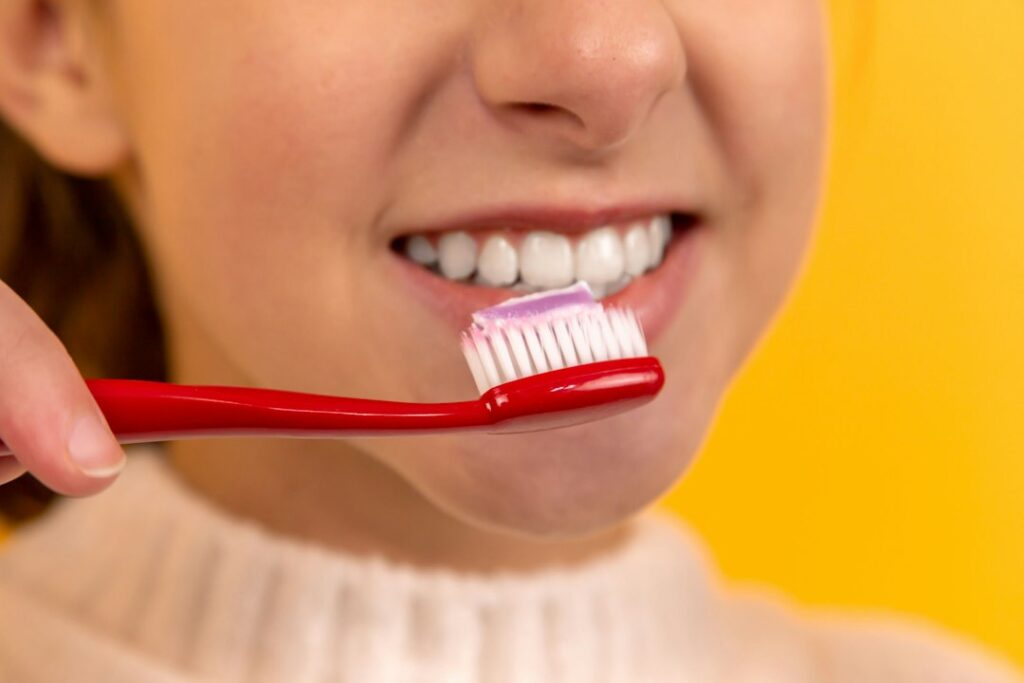
Choosing toothpaste is simpler when the decision starts with oral health needs rather than flavor, whitening claims, or packaging. For most people, the essential feature is fluoride, followed by ingredients that address concerns such as sensitivity, gum irritation, surface stains, or dry mouth.
What should most adults look for in toothpaste?
Most adults should choose a fluoride toothpaste labeled for cavity protection. Fluoride strengthens enamel, supports repair of early mineral loss, and helps teeth resist acid produced by plaque bacteria.
Check the active-ingredient panel for a fluoride compound such as:
- Sodium fluoride
- Sodium monofluorophosphate
- Stannous fluoride
The exact compound matters less than choosing a product with fluoride and using it consistently. An ADA Seal of Acceptance can provide an additional indication that a product’s safety and effectiveness have been reviewed under established requirements, although the seal is not the only way to identify a suitable toothpaste.
For everyday use, select a toothpaste that feels comfortable enough to use twice daily. A toothpaste that causes burning, mouth peeling, or persistent irritation is not a good match, even if its label lists several desirable features.
Is fluoride toothpaste safe and necessary?
For most people, fluoride toothpaste is the standard choice for preventing cavities. It is intended to be spit out after brushing rather than swallowed.
Adults and older children generally benefit from brushing twice a day with fluoride toothpaste. After brushing, spit thoroughly. Rinsing immediately with a large amount of water can wash away some of the fluoride left on the teeth, so many dental-care instructions recommend avoiding a vigorous rinse.
Young children need smaller amounts because they are more likely to swallow toothpaste:
- Children younger than 3 generally need only a smear about the size of a grain of rice.
- Children ages 3 through 6 generally need a pea-sized amount.
- An adult should supervise brushing until a child can reliably spit out the toothpaste.
Children who have a history of cavities may need individualized fluoride guidance. A toothpaste with a higher fluoride concentration should only be used according to specific dental instructions.
Which toothpaste helps sensitive teeth?
Toothpaste for sensitivity can reduce discomfort from cold air, cold drinks, sweets, or tooth brushing, but it does not repair every cause of sensitivity. Common desensitizing ingredients include potassium compounds and stannous fluoride.
These products usually work best when used consistently rather than only after pain begins. It may take several days or a few weeks to notice improvement.
Sensitivity can also result from:
- Tooth decay
- A cracked tooth
- Gum recession
- Worn enamel
- Grinding or clenching
- Acid erosion from frequent acidic foods or beverages
- Overly forceful brushing
If sensitivity is limited to one tooth, is getting worse, or causes sharp pain when biting, toothpaste alone may not address the underlying problem. Persistent pain, swelling, or sensitivity that interrupts sleep deserves prompt dental evaluation.
Should whitening toothpaste be used every day?
Whitening toothpaste mainly removes surface stains rather than changing the natural internal color of teeth. Abrasive ingredients can help lift stains from coffee, tea, tobacco, richly colored foods, and other substances that cling to enamel.
Whitening toothpaste is not the same as professional bleaching or peroxide-based whitening. It generally cannot change the color of dental crowns, fillings, veneers, or other tooth-colored restorations. It also may not improve discoloration caused by injury, certain medications, or changes within the tooth.
If a whitening toothpaste makes teeth feel more sensitive or causes gum irritation, switch to a less abrasive formula or a toothpaste designed for sensitivity. Brushing harder does not make whitening work better; it can increase enamel wear and gum recession.
Charcoal-based products are not automatically safer or more effective. A dark color, “natural” label, or strong foaming action does not demonstrate cavity protection or reliable whitening.
What toothpaste is best for gum health?
For gum health, the most useful toothpaste is one that supports effective plaque removal and can be used comfortably twice a day. Some formulations contain stannous fluoride or other ingredients intended to help reduce plaque, gingivitis, or tartar buildup.
“Tartar-control” toothpaste may help slow the accumulation of hardened deposits, but it cannot remove tartar that is already attached to teeth. Once plaque hardens, brushing cannot fully remove it.
Bleeding gums are not simply a sign that a stronger toothpaste is needed. Bleeding may be related to plaque-related gingivitis, gum disease, aggressive brushing, hormonal changes, certain medications, or other health conditions. If bleeding continues despite gentle brushing and daily cleaning between the teeth, the cause should be assessed.
Are natural or fluoride-free toothpastes effective?
A natural toothpaste can contain useful cleaning ingredients, but “natural” does not necessarily mean cavity protection. The key question is whether the product contains fluoride at an appropriate concentration.

Fluoride-free toothpaste may be chosen for personal reasons, but it does not provide the same established cavity-prevention benefit as fluoride toothpaste. This is especially relevant for people with frequent cavities, dry mouth, exposed roots, orthodontic appliances, or diets high in sugary or acidic foods and drinks.
Ingredients such as essential oils, strong flavoring agents, and foaming detergents can irritate some mouths. People who develop peeling tissue, recurring sores, burning, or redness after changing toothpaste should review the ingredient list and consider whether a simpler formula is better tolerated.
Does dry mouth change the choice?
Yes. Dry mouth increases the risk of cavities because saliva helps neutralize acids, wash away food particles, and support enamel repair. A dry mouth may develop from medications, dehydration, mouth breathing, medical conditions, or indoor heating and dry air during colder seasons.
People with dry mouth may prefer a toothpaste that does not contain strong flavoring or ingredients that cause burning. Fluoride remains particularly important, and a dental professional may recommend additional fluoride protection for people at elevated cavity risk.
Frequent sipping of water can help with comfort, but sugary drinks, sports drinks, and acidic beverages can increase cavity or erosion risk. Sugar-free gum containing xylitol may also help stimulate saliva for some adults, provided chewing is comfortable and medically appropriate.
How should toothpaste be chosen for children?
Children need toothpaste that matches their age, ability to spit, and cavity risk. Flavor is relevant because a child who dislikes the taste may resist brushing, but flavor should not replace fluoride protection.
Parents and caregivers should:
- Use a small smear for children under 3.
- Use a pea-sized amount for children ages 3 through 6.
- Supervise brushing and discourage swallowing toothpaste.
- Brush twice daily, with the bedtime brushing being especially important.
- Store toothpaste where young children cannot eat it directly from the tube.
A child who frequently swallows toothpaste, has repeated cavities, or has special health needs may require more specific guidance about fluoride concentration and amount.
What matters more than finding a “perfect” toothpaste?
Technique and consistency matter more than minor differences between acceptable products. Brush gently for about two minutes twice daily, use a soft-bristled brush, clean along the gumline, and clean between teeth each day.
For households in Moses Lake, practical factors may include keeping toothpaste from freezing in an unheated vehicle during winter, replacing a tube that has dried out, and choosing a formula that remains comfortable when seasonal dryness contributes to mouth irritation. Local water conditions and personal fluoride exposure can also vary, so cavity risk is not identical for every household.
A sensible shopping checklist is:
- Fluoride listed as an active ingredient
- A flavor and texture that do not cause irritation
- Sensitivity ingredients if cold or sweet foods cause discomfort
- Limited whitening claims if enamel wear or sensitivity is a concern
- Clear age guidance for children
- An ADA Seal of Acceptance when an independently reviewed option is preferred
The right toothpaste is usually the one that contains fluoride, matches the person’s specific oral-health needs, and makes twice-daily brushing easy to maintain.