

 See My Latest Article on HelloNation
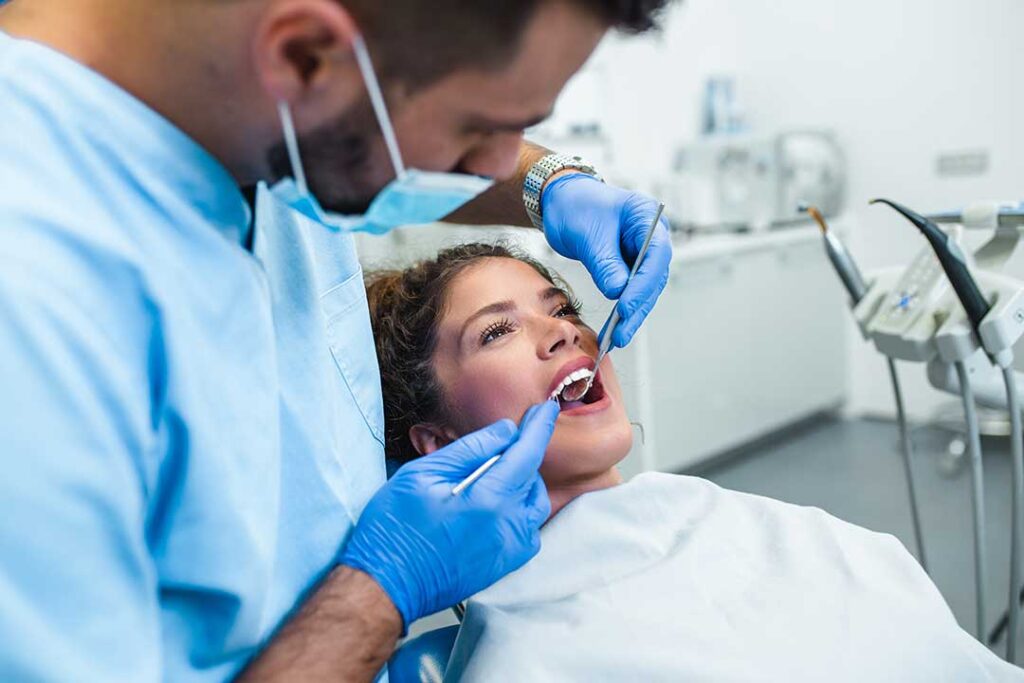
What Actually Happens During a Dental Cleaning?
A routine dental cleaning is a preventive procedure designed to remove plaque, tartar, and stains from your teeth. For most area households, the cleaning process takes around 30 to 60 minutes, depending on oral health conditions and how long it’s been since your last visit. For those in Moses Lake, this is a familiar part of ongoing dental wellness, helping reduce the risk of cavities and gum disease—conditions that can be impacted by local factors like well water mineral content or seasonal habits.
During a standard cleaning, local residents can expect the following steps:
- A brief oral exam to check for obvious problems
- Careful removal of hardened tartar using professional instruments
- Polishing of teeth to make surfaces smoother and less prone to stain buildup
- Flossing between teeth to catch any remaining debris
Why Is a Dental Cleaning Necessary Even if You Brush and Floss?
Dental cleanings reach areas at home care may miss, especially around the gumline and between teeth. Even diligent brushing doesn’t always remove tartar (calculus), which is hardened plaque. This buildup is common for everyone, including those in the city, and can be influenced by factors such as mineral-rich water or dietary preferences. Professional cleaning helps prevent problems like gingivitis and more advanced gum disease, which can progress without obvious pain or symptoms at first.
Many assume daily brushing and flossing is enough, but even small amounts of missed plaque can harden quickly. Regular professional care is the most practical way to keep gum tissue healthy and prevent future dental work.
What Should You Expect Before the Cleaning Starts?
Most residents experience a short intake discussion to update dental and medical history. You may be asked about recent changes in health, medications, or any sensitivity in your teeth or gums. This helps ensure safe, customized care—especially for those with health conditions impacted by seasonal allergies or medications common in the area.
Sometimes a dental hygienist or dentist will briefly examine your mouth, looking for signs of decay, inflammation, or other issues. X-rays may be taken beforehand if it’s been a while since your last visit, or if there are new symptoms.
What Tools and Techniques Are Used?
Dental cleanings in Moses Lake typically involve a mix of manual and electronic instruments:
- Hand scalers to carefully remove tartar along the teeth and below the gumline
- Ultrasonic scalers for more efficient cleaning, offering vibration and a gentle spray of water
- Fine polishing cups and a special gritty toothpaste to buff teeth smooth
- Specialized flossing tools for tight contact points
All tools are thoroughly sterilized, and staff follow strict local infection control protocols.
How Does the Cleaning Feel? Will It Hurt?
Most local residents experience only mild discomfort, if any. Sensitivity can occur, especially if gums are inflamed or if tartar buildup is heavy. Hygienists are accustomed to helping people stay comfortable during the process—adjusting pressure, rinsing frequently, or using topical gels for sensitive spots.
For some, the vibration or scraping sounds can be more bothersome than pain itself. Bringing headphones or a comforting playlist can make the visit easier, especially for those nervous in new settings or with sensory sensitivities.
What About Cleaning for Children or Teens?
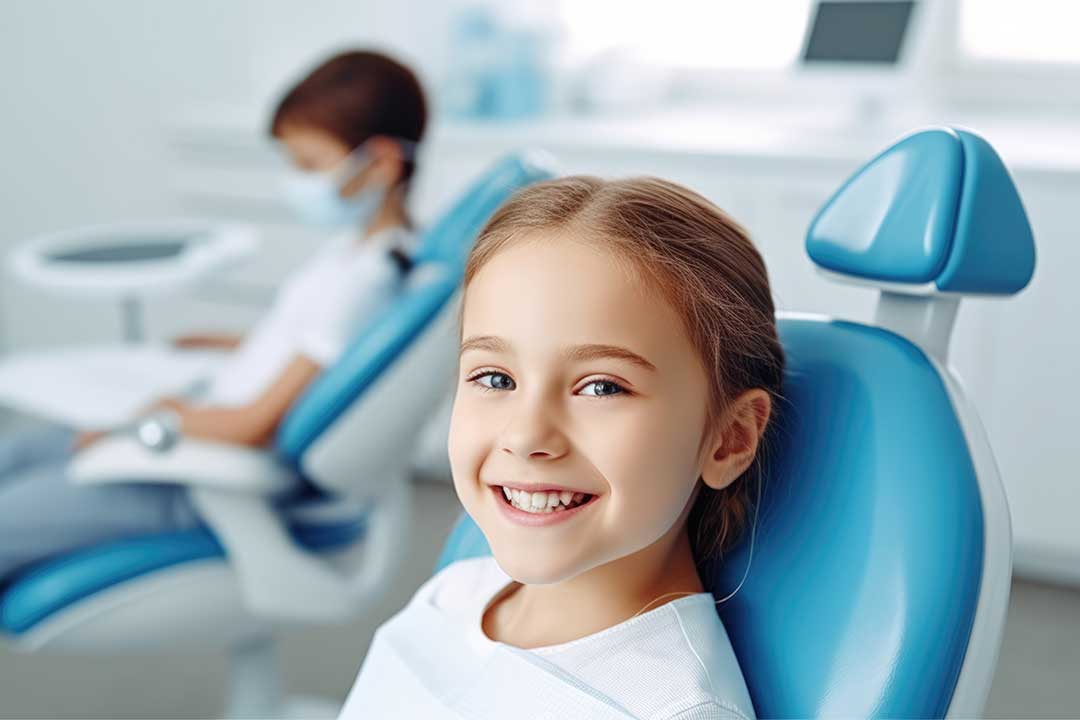
Dental cleanings for younger community members look similar but are often shorter and less invasive. Hygienists typically use smaller, softer instruments and explain each step to help kids feel at ease. Good habits started early can prevent future issues, so pediatric cleanings focus on education, teaching children and parents how to brush and floss more effectively at home.
It’s not uncommon for teens with braces or orthodontic appliances to require extra cleaning where food and plaque can hide. Area providers are equipped to gently clean around brackets and wires.
Are There Things You Should Do Before or After a Cleaning?
Before a cleaning, it helps to brush and floss as you normally would. This isn't mandatory but makes the cleaning more efficient and comfortable. Eating a light meal beforehand is wise, since your mouth may feel sensitive for a short time afterward.
After a cleaning, some residents notice temporary tenderness or minor bleeding, especially if gum inflammation was present before. Rinsing with lukewarm saltwater can help soothe the gums. It’s best to wait at least 30 minutes before eating or drinking, to allow protective fluoride applied during polishing to take effect. Local tap water is generally safe for rinsing, and avoid hard or sticky foods for the rest of the day if your teeth were especially sensitive.
What Common Misconceptions Exist About Dental Cleanings?
Many assume that a cleaning will whiten teeth dramatically, but the process removes only surface stains, not intrinsic discoloration or deeper staining caused by certain foods, beverages, or medications. Also, some worry that frequent cleanings can weaken enamel—this is not the case when trained personnel perform the procedure at reasonable intervals.
Another misconception, especially in households using well water or relying on bottled water, is that cleanings are unnecessary without fluoride exposure. Dental cleanings benefit everyone, regardless of water source, especially in regions with variable mineral content and distinct dry seasons impacting oral hydration.
How Often Should You Get a Dental Cleaning in the Area?
For most healthy adults and children in Moses Lake, cleanings are recommended every six months. This interval can vary based on medical history, previous dental problems, or lifestyle factors. Residents with higher risk for gum disease, such as those with diabetes, tobacco use, or a family history of dental issues, may require more frequent visits. Living in a region with warm, dry summers can also influence oral health, making regular dental care an important part of seasonal wellness routines.