

 See My Latest Article on HelloNation
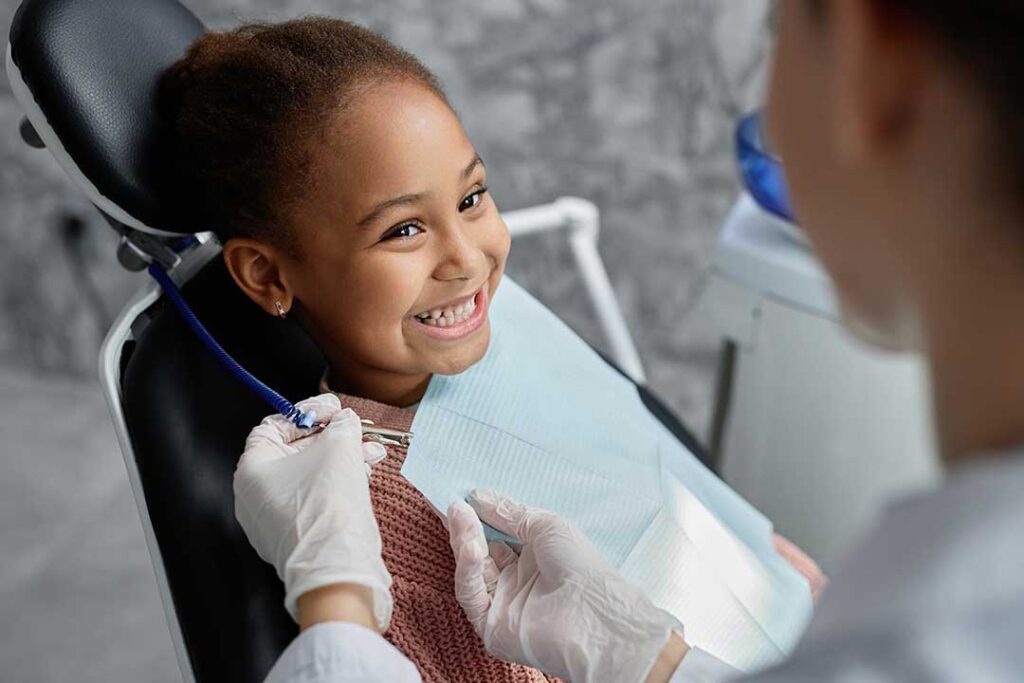
How Can Pregnancy Change Teeth and Gum Health?
During pregnancy, hormonal changes can affect the mouth, sometimes leading to greater sensitivity in gums and teeth. Many people in Moses Lake notice differences such as bleeding gums, swollen tissue, or new sensitivities that weren’t present before pregnancy. These changes are normal but understanding them can help maintain dental health throughout the pregnancy journey.
Why Does Pregnancy Impact Oral Health?
Hormonal shifts—especially increases in progesterone and estrogen—can make gum tissues react more to plaque. This sometimes causes gums to become swollen, tender, or bleed more easily. For many local families, these symptoms begin in the second or third month and can last through pregnancy.
Other contributing factors locally include changes in diet (more frequent snacking or carbohydrate cravings) and morning sickness, which can expose teeth to stomach acid.
What Symptoms Should Expecting Parents Watch For?
- Gums that look redder than usual
- Bleeding when brushing or flossing
- Swollen, tender gum areas
- Unpleasant breath that lingers beyond normal brushing
- Unusual sensitivity to hot or cold
Many expecting parents worry when they see gum bleeding or swelling. In most cases, gentle brushing and thorough daily cleaning will reduce these symptoms. If pain intensifies or chewing becomes difficult, it’s a sign to seek advice from a healthcare provider.
Is Pregnancy Gingivitis Common?
Yes, pregnancy gingivitis is a frequent finding across the country, including local households. It is a mild gum disease that can cause swelling, tenderness, and mild bleeding. Left unchecked, it can progress to periodontitis, a more serious gum infection that can cause long-term problems.
In regions such as Moses Lake, where dust, wind, or frequent outdoor activities are common, it may be harder to notice subtle gum irritation. Keeping a close watch for these symptoms is helpful.
How Do Local Habits or Environment Play a Role?
The arid climate and reliance on tap water in Moses Lake mean hydration levels can fluctuate, especially during hot months. A dry mouth from less frequent hydration can reduce the protective effects of saliva, making gum tissues more prone to irritation and infection.
Area families often snack outdoors or grab quick bites on the go, sometimes leading to longer periods with food particles in the mouth. This can increase the risk of plaque buildup, fueling gum sensitivity during pregnancy.
Can Morning Sickness or Acid Reflux Harm Teeth?
Repeated exposure to stomach acid from vomiting or reflux can weaken tooth enamel, the outer protective layer of teeth. If morning sickness is frequent, rinsing the mouth with water (not brushing immediately) helps minimize enamel wear. Waiting 30 minutes before brushing gives enamel time to recover.
Some local residents find mineral-rich well water or city tap supplies support enamel, but acid exposure can still outpace these benefits if morning sickness is severe.
Should Diet and Oral Hygiene Routines Change During Pregnancy?
Routine adjustments can make a difference:
- Brush twice daily with a soft-bristled brush
- Floss once daily to remove food debris between teeth
- Drink water regularly to support saliva and rinse away acids
- Limit sticky, sugary, or acidic snacks that tend to linger on teeth
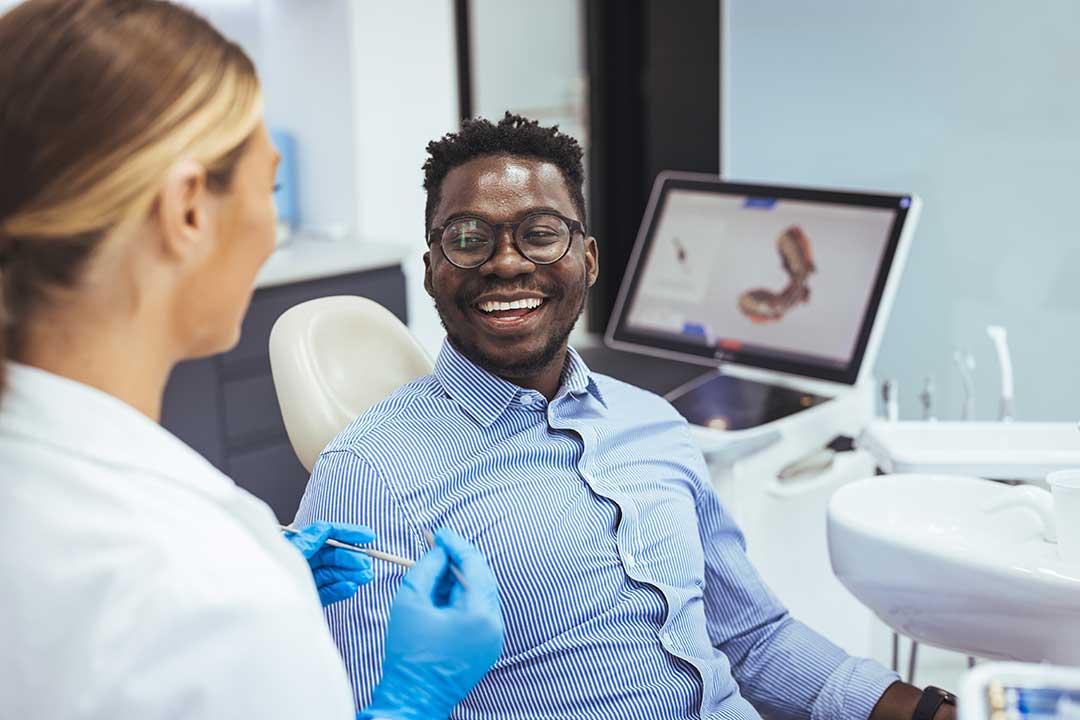
Snacking habits may shift during pregnancy—choosing calcium-rich foods, crunchy vegetables, and whole grains can help support teeth. Residents using local wells should ensure their water contains appropriate minerals, such as fluoride, for optimal dental health.
Are Dental Treatments Safe During Pregnancy?
Routine dental cleanings and checkups are considered safe and are often recommended. X-rays are usually postponed unless urgently needed, and some treatments may be scheduled for after delivery. Open communication with healthcare providers ensures the best timing for any dental care.
For Moses Lake residents, it’s helpful to let dental offices know about pregnancy to receive care tailored to individual needs. Most local health offices are accustomed to addressing these concerns quietly and respectfully.
Is There a Link Between Gum Health and Pregnancy Outcomes?
Research suggests untreated gum disease may contribute to complications such as preterm birth or low birth weight. While more investigation is ongoing, keeping gums healthy supports the well-being of both the pregnant parent and the developing baby.
In the local community, expectant families sometimes share concerns about these risks. Regular brushing and gentle flossing, along with checking in with healthcare providers when symptoms appear, can reduce potential complications.
What Misconceptions Do Residents Commonly Have?
Some believe pregnancy inevitably “ruins teeth”—while changes are common, permanent damage usually results from untreated problems rather than pregnancy itself. Another myth: gums will always bleed or swell. With gentle care and attention, most changes are temporary.
Many in Moses Lake assume dental visits are unsafe while expecting, but preventive cleanings and evaluations are generally encouraged to spot issues early.
What If Dental Pain or Infection Develops?
Sudden, severe tooth pain or clear signs of infection—such as swelling, pus, or difficulty opening the mouth—require immediate medical attention. While most oral health changes in pregnancy are mild, infections can spread rapidly and may impact overall health.
Area residents should not wait if symptoms escalate; even in rural or remote neighborhoods, telehealth consults or urgent medical visits provide needed care. Leaving infections untreated is much riskier to pregnancy than receiving safe dental care.