

 See My Latest Article on HelloNation
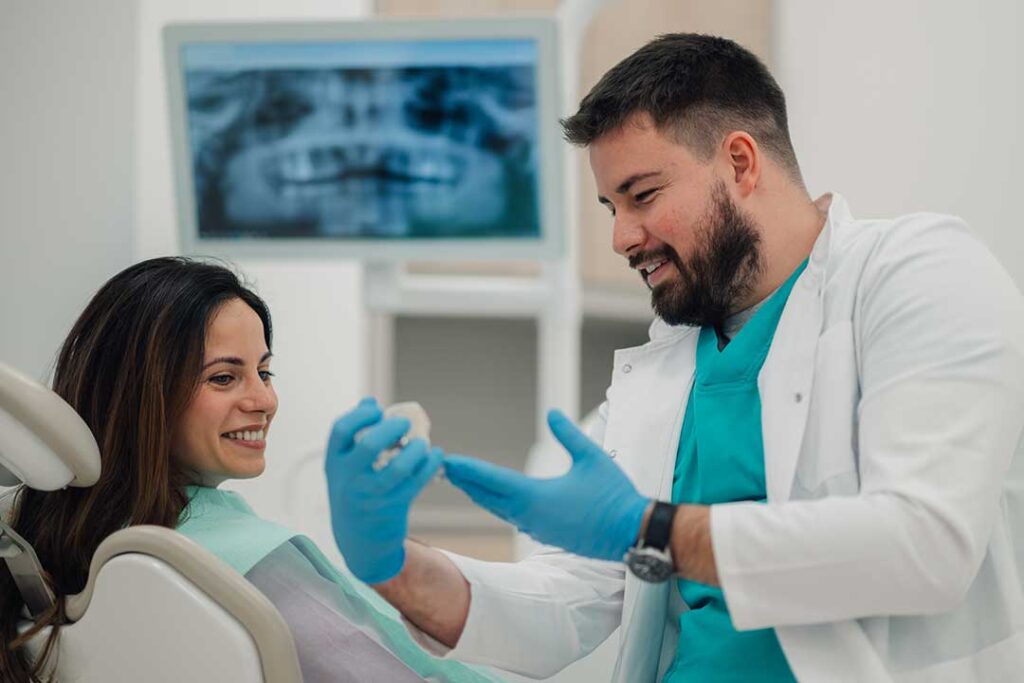
Can You Safely Whiten Your Teeth at Home?
Yes, it is possible to safely whiten your teeth at home using methods that are low-risk and evidence-based. Most people living in Moses Lake are interested in ways to brighten their smile without harming their teeth or gums. While over-the-counter and some home remedies can help, it's essential to know which approaches are effective, what to avoid, and how the area’s specific lifestyle factors might play a role.
What At-Home Whitening Methods Are Actually Safe?
Safe at-home whitening mainly involves products containing low concentrations of hydrogen peroxide or carbamide peroxide. These ingredients gently break down stains, improving tooth color over several uses.
Common safe options include:
- Whitening toothpaste with chemical or mild abrasive agents
- Whitening strips designed for daily use over a few weeks
- Ready-to-use whitening gels and pens (make sure they’re approved for home use)
Using these as directed, and not extending the frequency or concentration beyond instructions, helps avoid enamel or gum irritation.
Are There Risks With Home Remedies or DIY Whitening?
Not all home remedies are safe, and some can even harm your teeth. For example:
- Baking soda mixed with lemon juice, charcoal powders, and vinegar can wear away enamel due to their abrasiveness or acidity.
- “Whitening” with fruit peels or at-home bleaching kits not specifically designed for teeth can lead to sensitivity or damage.
Residents in Moses Lake often encounter social media tips that aren’t backed by dental research. Consistently relying on validated products, and being cautious of anecdotal advice, reduces the risk of irreversible harm.
How Does Moses Lake’s Water and Lifestyle Affect At-Home Whitening?
The mineral content of local water, typical dietary habits, and lifestyle patterns in Moses Lake can influence tooth color and whitening outcomes. Hard water, with higher levels of minerals, is common in the area and can lead to more pronounced tartar and surface stains over time.
Other local factors include:
- Consumption of coffee, tea, or wine, which tend to increase in colder months
- Dust and dryness due to the central Washington climate, which can lead to dehydration, reducing saliva’s effectiveness in cleaning teeth
Being aware of these contributors helps residents plan routine oral hygiene alongside whitening efforts.
How Often Should Whitening Be Done At Home?
Brief answer: For most people, safe home whitening can be done in short cycles, just a few times each year.
Whitening strips or gels are generally used daily for 1-2 weeks per cycle. Toothpastes with mild whitening agents can be part of regular brushing. It’s best to allow several months between whitening cycles to avoid overexposing teeth and gums to chemicals.
Warning signs of overuse include:
- Sensitivity to hot, cold, or sweet foods
- Gum irritation or white spots on the gums
- Increased tooth translucency
If any symptoms develop, stop whitening immediately and return to regular brushing with fluoride toothpaste.
How Do You Get the Best Results From At-Home Whitening?
Whitening works best on natural teeth without extensive restorations, within a clean and healthy mouth. Some practical tips for the Moses Lake community include:
- Brush and floss before applying whitening products to remove food and plaque
- Avoid tobacco, red wine, and dark berries during and immediately after treatment, as teeth are more vulnerable to staining
- Use a straw for dark drinks to minimize contact with teeth
- Moisturize your mouth—dry central Washington air can exacerbate sensitivity
Remember, whitening won’t affect fillings, crowns, or dentures. Yellowing from aging, medication, or trauma may not fully respond to at-home options.
Are There Situations When At-Home Whitening Should Be Avoided?
Certain groups should avoid or delay home whitening. These include:
- Those under age 16, as tooth nerve endings are still developing
- Pregnant or breastfeeding people, due to limited safety research
- Anyone with active cavities, gum disease, or severe tooth sensitivity
Area residents with orthodontic braces or extensive dental work should postpone whitening until after receiving a professional evaluation or until devices are removed.
Common Myths and Misconceptions About Teeth Whitening
Moses Lake households, like many others, often encounter myths about quick fixes:
- Myth: Rubbed fruit, coconut oil, or activated charcoal quickly whitens teeth.
Fact: Evidence shows little to no lasting effect, and some may cause damage.
- Myth: More frequent whitening means better, faster results.
Fact: Overuse risks permanent enamel loss and gum injury.
- Myth: Whitening strips harm everyone’s enamel.
Fact: With correct use, most over-the-counter strips are safe for healthy teeth.
Separating myths from reliable advice helps ensure long-lasting and healthy whitening results for the community.
What Should You Do If Whitening Causes Problems?
If sensitivity, gum irritation, or pain occurs, the first steps include stopping all whitening products and returning to a gentle brushing routine. Use a toothpaste for sensitive teeth and avoid highly acidic or very hot/cold foods. Most minor issues resolve within several days. If symptoms persist beyond a week, or if a tooth looks dark or painful, residents should seek further guidance from a dental professional.