

 See My Latest Article on HelloNation
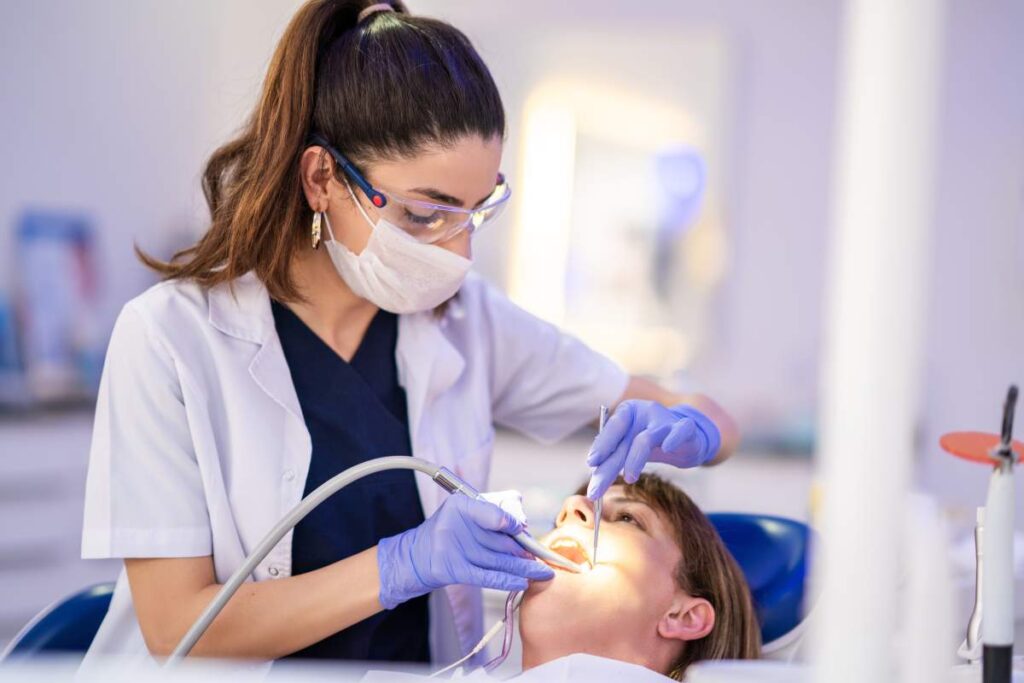
Braces create new spaces where food and plaque can collect, especially around brackets, wires, gumlines, and between teeth. A consistent cleaning routine helps reduce the risk of cavities, gum inflammation, bad breath, and permanent white marks on the enamel.
For residents of Moses Lake, daily habits matter more than having a complicated collection of dental products. The most useful routine combines careful brushing, once-daily cleaning between the teeth, sensible food choices, and regular dental care throughout orthodontic treatment.
Why does oral hygiene require extra effort with braces?
Brackets and wires make some tooth surfaces harder to reach. Food can remain trapped around the edges of brackets or underneath the wire, allowing plaque to build up. Plaque is a sticky layer of bacteria that can irritate the gums and contribute to tooth decay.
White or chalky spots may appear when acids from plaque weaken enamel around brackets. These marks can remain after braces are removed, even if the teeth look straight and the orthodontic treatment is complete.
Braces can also make the gums look puffy or bleed when brushing. Mild bleeding may happen when plaque has accumulated, but persistent bleeding, swelling, soreness, or bad breath should not be ignored.
How should someone with braces brush?
Brush at least twice each day for two minutes, and clean after meals whenever possible. A soft-bristled toothbrush and fluoride toothpaste are suitable for most people.
Use gentle pressure rather than scrubbing forcefully. Position the brush:
- Above the brackets, angling toward the gumline
- Directly over the brackets and wire
- Below the brackets, angling upward
- Along the inside, outside, and chewing surfaces of every tooth
Move slowly around each bracket. Pay special attention to the gumline, where plaque often collects. A manual toothbrush can work well, while a powered toothbrush may be helpful for people who have difficulty brushing thoroughly around wires and brackets.
If brushing immediately after lunch is not practical at school or work, rinse thoroughly with water and brush when possible. Carrying a compact toothbrush, fluoride toothpaste, small mirror, and interdental brush can make this easier.
How often should people floss with braces?
Clean between the teeth at least once a day. Brushing cannot reach all the surfaces between teeth or beneath the gumline.
Traditional floss usually needs to pass under the orthodontic wire before it can slide between the teeth. A floss threader or orthodontic floss can help. Small interdental brushes may clean around brackets and under wires, but they should not be forced into tight spaces.
A water flosser may be useful for dislodging food and reaching difficult areas. It should support, rather than automatically replace, the method of between-tooth cleaning that provides the most complete routine for the individual.
Flossing may cause minor bleeding when the gums are inflamed. Gentle, consistent cleaning often helps the gums become healthier. Heavy bleeding, pain, or swelling that continues should be evaluated by a dental professional.
Is it better to floss before or after brushing?
Either order can work if the cleaning is thorough. Many people find it practical to floss first, loosen food and plaque, and then brush with fluoride toothpaste.
The most important factor is consistency. A routine that is completed every day is more useful than an ideal sequence that is rarely followed.
After brushing, spit out the toothpaste rather than immediately rinsing with a large amount of water. This allows more fluoride to remain on the teeth. Follow any individualized instructions about fluoride rinses or prescription products.
Which foods and drinks should be limited?
Hard, sticky, and chewy foods can bend wires or loosen brackets. They may also remain trapped around orthodontic appliances.
Common examples include:
- Caramels, taffy, and gummy candies
- Hard candies, ice, and uncut nuts
- Popcorn kernels
- Very hard chips or pretzels
- Chewy crusts and tough foods that require forceful biting
Foods such as apples, pears, raw vegetables, sandwiches, and pizza can often be eaten safely when cut into smaller pieces. Chewing with the back teeth rather than biting directly into hard foods with the front brackets may reduce stress on the appliances.
Sugary drinks and frequent snacking increase the amount of time teeth are exposed to cavity-producing acids. Soda, sports drinks, sweetened coffee, energy drinks, and fruit-flavored beverages should be limited. Water is generally the better choice between meals.
Moses Lake’s dry conditions and extensive use of indoor heating or cooling can make some people more aware of a dry mouth. Dryness may increase the desire to sip flavored drinks, but frequent sugary or acidic beverages can increase cavity risk. Water, regular brushing, and discussion with a dental professional are better options when dry-mouth symptoms persist.
What should be kept in an orthodontic cleaning kit?
A small kit can help protect teeth during school, work, travel, or outdoor activities. Useful items include:
- A soft toothbrush
- Fluoride toothpaste
- Dental floss or a floss threader
- An interdental brush
- Clean water
- A small mirror
- Orthodontic wax, if recommended for irritation
Rinsing with water after eating can remove loose debris when brushing is not immediately possible. A mirror or phone camera can help identify food caught around the brackets.
Do not use sharp objects to remove food or attempt to bend wires. A loose bracket or wire should be reported to the orthodontic office for instructions, especially if it is causing pain or could be swallowed.
Do regular dental cleanings still matter?
Yes. Orthodontic appointments focus on tooth movement and appliance adjustments, while routine dental care monitors cavities, gum health, and other conditions. People wearing braces generally still need regular dental examinations and professional cleanings according to their individual needs.
The dental and orthodontic teams may adjust the cleaning schedule if there is a history of cavities, gum inflammation, enamel weakness, or difficulty maintaining plaque control. Orthodontic treatment should not replace ordinary preventive dental care.
What are common mistakes people make?
Several habits can undermine otherwise good care:
- Brushing only the visible front surfaces of the brackets
- Flossing only when food is visibly stuck
- Using too much pressure and irritating the gums
- Drinking sweetened beverages slowly over several hours
- Ignoring swollen or bleeding gums
- Waiting too long to report a broken bracket or sharp wire
- Assuming mouthwash can replace brushing and cleaning between teeth
Mouthwash may be useful in some routines, particularly a fluoride rinse when recommended, but it cannot remove all plaque from around brackets. Mechanical cleaning remains the foundation of oral hygiene.
When should a concern be checked?
Seek dental or orthodontic guidance for persistent gum bleeding, significant swelling, severe tooth pain, facial swelling, a loose appliance, a broken wire that is cutting the cheek, or signs of infection such as fever and worsening swelling.
A little tenderness after braces are placed or adjusted can be expected. However, symptoms that intensify, interfere with eating or sleeping, or do not improve should receive prompt attention.
For families and individuals in Moses Lake, the simplest approach is usually the most sustainable: brush carefully, clean between the teeth every day, limit frequent sugar and hard foods, drink water, and keep both dental and orthodontic care on schedule.