

 See My Latest Article on HelloNation
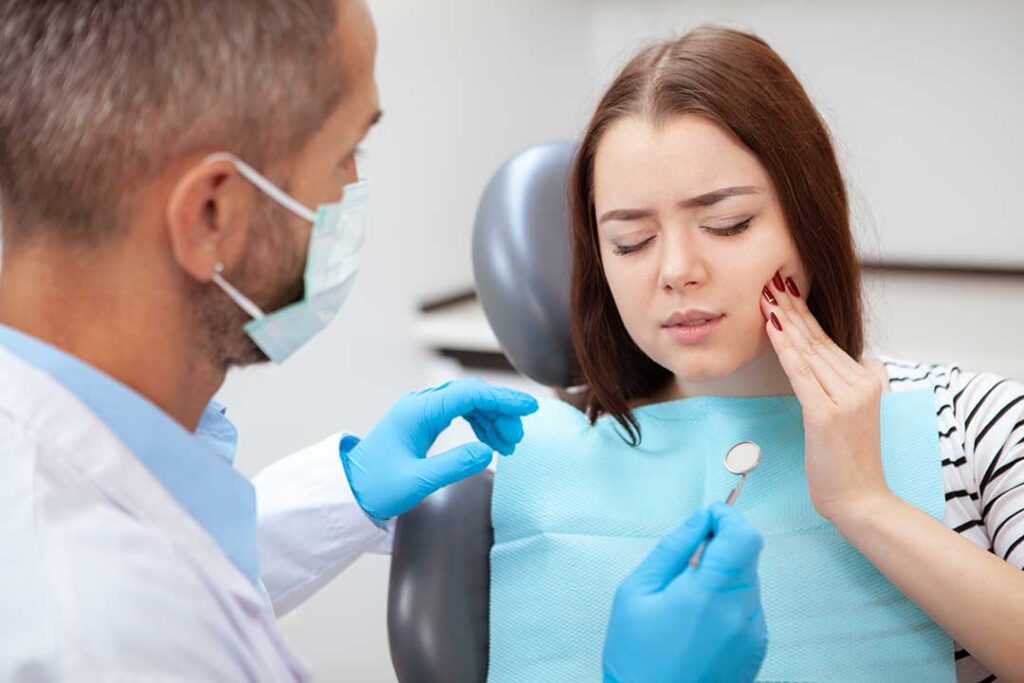
A toothache is an emergency when it involves trouble breathing or swallowing, rapidly increasing swelling, uncontrolled bleeding, serious facial injury, or signs that infection is spreading. Severe pain alone may require prompt dental care, but airway problems and widespread swelling require emergency medical attention.
Which toothache symptoms require emergency care?
Go to a hospital emergency department or call 911 if a toothache is accompanied by:
- Difficulty breathing, swallowing, or speaking
- Swelling beneath the tongue, under the jaw, in the neck, or around the throat
- Rapidly worsening swelling of the face or mouth
- Inability to open the mouth normally
- Confusion, faintness, severe weakness, or a high fever
- Uncontrolled bleeding after an injury or dental procedure
- A serious blow to the face, jaw, or head
- A knocked-out permanent tooth when immediate dental treatment is not available
These symptoms can indicate a spreading infection, airway risk, major trauma, or another condition that cannot safely wait. A hospital emergency department can help protect breathing, control severe symptoms, and provide medical treatment while dental care is arranged.
When is a toothache urgent but not necessarily life-threatening?
A toothache should be treated as urgent when pain is persistent, worsening, or interfering with eating, sleeping, school, work, or normal activities. Prompt dental evaluation is especially appropriate for:
- Pain that lasts more than a day or two
- Pain when biting or chewing
- Sensitivity to hot or cold that lingers after the food or drink is gone
- A cracked, loose, or partially broken tooth
- A pimple-like bump on the gum
- Pus, a bad taste, or drainage near a tooth
- Swelling limited to the gum or cheek
- A fever without breathing or swallowing difficulty
- Pain after a filling, crown, extraction, or other dental procedure
- A temporary improvement after severe pain followed by swelling
A tooth infection does not always produce dramatic pain. In some cases, the nerve inside the tooth loses its ability to respond, while infection continues around the root. Pain that suddenly disappears is not always a sign that the problem has healed.
How can someone tell whether an abscess may be involved?
A dental abscess is a pocket of infection involving a tooth, gum, or surrounding bone. Common clues include throbbing pain, tenderness when biting, gum swelling, facial swelling, a foul taste, drainage, fever, or pain that spreads toward the jaw, ear, or neck.
Mild localized swelling still deserves prompt attention because an abscess can expand into nearby tissues. Swelling that moves toward the eye, neck, floor of the mouth, or throat is more concerning. Difficulty swallowing saliva, a muffled voice, or increasing trouble opening the mouth should be treated as an emergency.
People with diabetes, immune-system conditions, or medicines that suppress immunity may become seriously ill from an infection more quickly. Older adults and young children may also show fewer typical symptoms. A lack of fever does not rule out a dangerous dental infection.
Is severe pain by itself a dental emergency?

Severe pain is a reason to seek urgent dental advice, but pain intensity alone does not always determine whether a hospital visit is needed. A tooth can hurt intensely because of deep decay, an inflamed nerve, a crack, exposed root surfaces, gum disease, or an abscess.
Pain that is unbearable, prevents sleep, or does not improve with appropriately used over-the-counter medication should not be ignored. If severe pain is combined with swelling, fever, drainage, or feeling generally ill, the need for prompt evaluation becomes more urgent.
A toothache that occurs only briefly with cold foods may be less urgent than constant, spontaneous, or pressure-related pain. Even so, repeated sensitivity can reflect decay, a worn filling, gum recession, or a crack that may worsen.
What can be done while waiting for care?
Short-term measures may reduce discomfort, but they do not remove the cause of a toothache.
- Rinse gently with warm water and remove food caught between teeth with floss.
- Use a cold compress against the outside of the cheek for short periods if swelling follows an injury.
- Take an over-the-counter pain reliever only as directed on its label and only if it is safe with existing medical conditions and medicines.
- Eat soft foods and avoid very hot, cold, sweet, or hard foods if they trigger pain.
- Keep the head elevated while resting if lying flat increases throbbing.
- If a permanent tooth has been knocked out, handle it by the crown, not the root. If it is dirty, rinse it gently without scrubbing and keep it moist while seeking immediate dental guidance.
Do not place aspirin, alcohol, garlic, or undiluted medication directly on the gum. These substances can burn oral tissue. Do not attempt to drain an abscess with a sharp object, and do not use leftover antibiotics. Antibiotics may be necessary in some infections, but they do not repair a decayed or cracked tooth and are not appropriate for every toothache.
What should Moses Lake households consider during an after-hours toothache?
Dental pain often begins at night, during a weekend, or when travel and weather make access more difficult. In the dry climate around Moses Lake, mouth dryness can also be noticeable during heated indoor conditions, outdoor activity, or inadequate fluid intake. Dry mouth does not usually create a sudden emergency, but it can make the mouth feel irritated and may contribute to a higher risk of decay over time.
For an after-hours problem, first separate airway or spreading-infection symptoms from a painful but stable tooth. Breathing difficulty, swallowing difficulty, rapidly growing swelling, severe illness, or uncontrolled bleeding warrants emergency medical care rather than waiting for routine dental hours.
If symptoms are stable but significant, write down when the pain began, what triggers it, whether swelling is changing, and which medicines have been taken. This information helps the treating clinician assess the problem more efficiently.
Can a toothache wait until morning?
A stable toothache without swelling, fever, injury, or functional problems may sometimes wait for the next available dental evaluation, but postponing it for several days is unwise. Dental problems usually do not resolve permanently on their own, even if symptoms temporarily lessen.
Do not wait until morning if there is difficulty breathing or swallowing, swelling in the neck or floor of the mouth, rapidly spreading facial swelling, uncontrolled bleeding, serious trauma, or a person appears severely ill. Those signs require immediate emergency attention.
The safest rule is simple: pain calls for timely dental care; swelling, fever, worsening infection, trauma, or loss of normal function raises the urgency; breathing or swallowing problems are medical emergencies.